
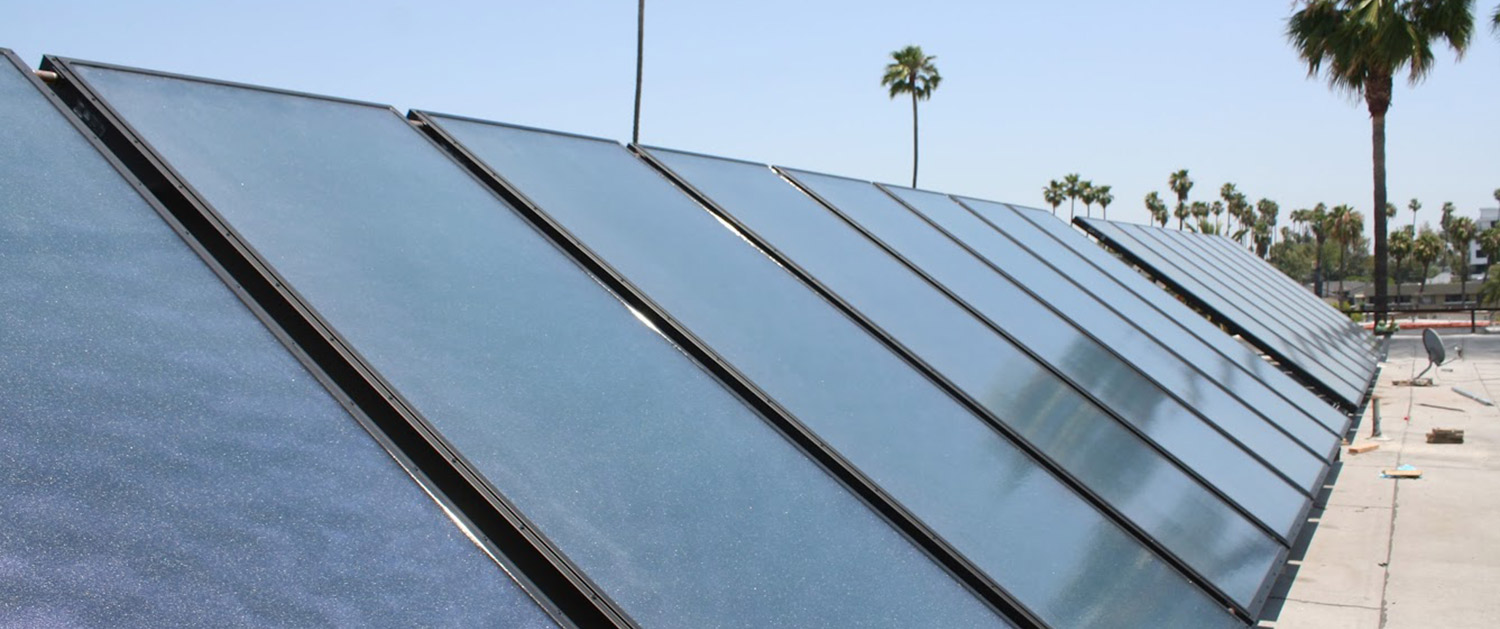
Solar Thermal Solutions Built for Residential, Commercial & Industrial Heating
Efficient, Sustainable & Proven Thermal Energy Systems Since 1978
SunEarth has been designing, engineering, and manufacturing solar thermal systems in the United States since 1978. As one of the most established solar thermal manufacturers in the world, we build collectors, pump stations, controls, and complete system packages designed to deliver reliable performance across residential, commercial, institutional, and industrial applications.
From single-family homes to hotels, hospitals, military facilities, and district energy networks, SunEarth solar heating systems are engineered for long service life, proven energy savings, and dependable operation in virtually every climate.
Whether you are a contractor specifying equipment, an engineer designing a project, or a property owner exploring renewable heating solutions, you'll find the complete range of SunEarth solar thermal products and systems here.
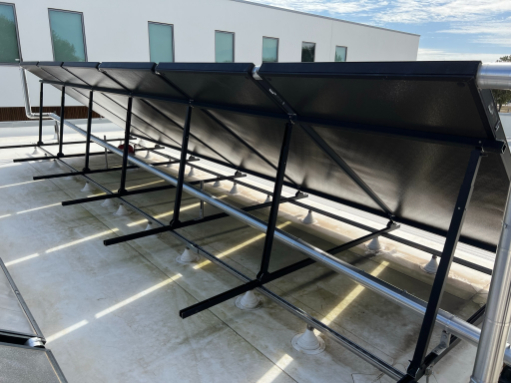
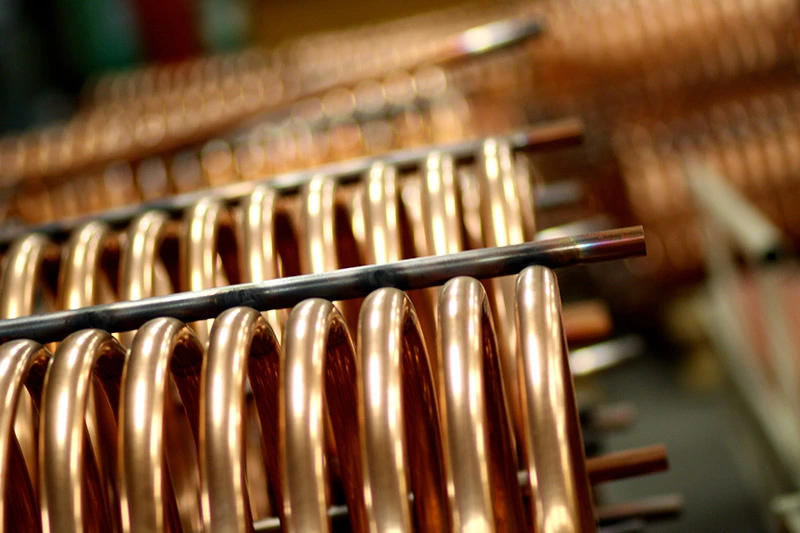
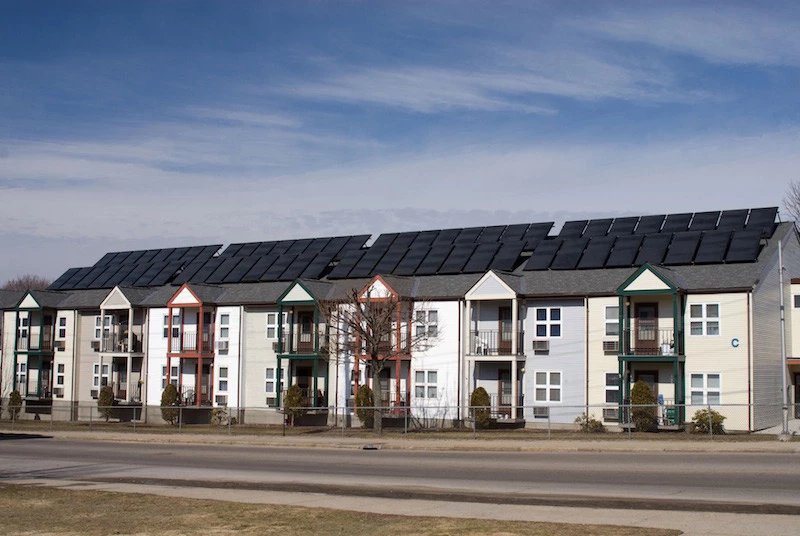
How Solar Thermal Heating Works
Solar thermal heating captures energy from the sun through high-performance collectors installed on rooftops or ground-mounted arrays. The collected solar energy heats a transfer fluid, which delivers thermal energy to water heating, space heating, process heating, or storage systems for use whenever it is needed.
Unlike solar photovoltaic (PV) systems, which convert sunlight into electricity before creating heat, solar thermal systems convert sunlight directly into usable thermal energy. When the goal is water heating or space heating, solar thermal is purpose-built for the job.
A solar thermal collector can typically convert 60% to 70% of available solar energy into usable heat, significantly outperforming traditional PV-powered electric water heating approaches. The result is greater efficiency, lower operating costs, and faster energy savings.
Solar Heating Systems We Manufacture
Solar thermal heating captures energy from the sun through high-performance collectors installed on rooftops or ground-mounted arrays. The collected solar energy heats a transfer fluid, which delivers thermal energy to water heating, space heating, process heating, or storage systems for use whenever it is needed.
Unlike solar photovoltaic (PV) systems, which convert sunlight into electricity before creating heat, solar thermal systems convert sunlight directly into usable thermal energy. When the goal is water heating or space heating, solar thermal is purpose-built for the job.
A solar thermal collector can typically convert 60% to 70% of available solar energy into usable heat, significantly outperforming traditional PV-powered electric water heating approaches. The result is greater efficiency, lower operating costs, and faster energy savings.
Residential Solar Water Heating
Our residential solar water heating systems help homeowners reduce water heating energy costs by 50% to 80%, depending on climate, system sizing, and household demand.
We offer both direct and indirect configurations, allowing systems to be optimized for warm-weather regions as well as freeze-prone climates where glycol-based heat transfer solutions provide year-round protection.
Commercial and Institutional Solar Thermal
SunEarth commercial solar thermal systems are trusted by hotels, hospitals, universities, military installations, multifamily housing developments, and government facilities throughout North America and around the world.
Designed for demanding daily hot water loads, these systems provide reliable renewable heating while meeting the performance, safety, and certification requirements expected on commercial projects.
Solar Pool Heating Systems
Solar pool heating remains one of the most cost-effective renewable energy applications available. SunEarth pool heating systems extend swimming seasons, improve comfort, and reduce operating costs by utilizing free solar energy instead of conventional fuel sources.
Solar Space Heating Systems
Solar thermal technology can also support hydronic space heating applications for residential, commercial, and institutional buildings. These systems integrate with radiant floor heating, fan coil systems, and other hydronic distribution methods to reduce reliance on traditional heating fuels.
District Energy and Industrial Process Heat
For campuses, municipalities, industrial facilities, and district energy networks, solar thermal can provide large-scale renewable heating capable of supporting centralized hot water and process heating requirements.
SunEarth works directly with project teams to develop scalable solar thermal solutions that deliver measurable energy and emissions reductions.
View District Energy Solutions
What ICC-SRCC Certification Means for Your Project
The International Code Council's Solar Rating and Certification Corporation (ICC-SRCC) certification program independently verifies the performance, safety, and reliability of solar thermal systems through rigorous testing and evaluation.
For contractors, engineers, and developers, certification provides confidence that a system will perform as specified while qualifying for many incentives, rebates, and compliance programs.
SunEarth maintains one of the largest portfolios of ICC-SRCC certified solar thermal systems available anywhere in the world.
That means:
-
Independently verified performance ratings
-
Simplified qualification for rebate and incentive programs
-
Greater confidence during specification and permitting
-
Proven system performance under real-world operating conditions
When performance matters, certification matters.
Why Project Teams Choose SunEarth?
For more than four decades, SunEarth has helped contractors, engineers, distributors, and property owners implement solar thermal systems that deliver reliable performance year after year.
Our systems are built around proven engineering, verified certification, and real-world experience gained through thousands of successful installations worldwide.
- Manufacturing experience dating back to 1978
- Designed and assembled in the USA
- One of the world's broadest ICC-SRCC certified system portfolios
- Proven performance across residential, commercial, institutional, and industrial applications
- Custom-engineered solutions available for complex projects
- Industry-leading durability and long service life
- Trusted by contractors, developers, utilities, and facility managers
Talk to Our Team About Your Project
Whether you're evaluating a residential installation, designing a commercial hot water system, planning a retrofit, or exploring district energy opportunities, SunEarth can help identify the right solar thermal solution for your project.
Our team works directly with contractors, engineers, distributors, and property owners from system sizing and design through commissioning and long-term support.
Frequently Asked Questions
A properly installed solar thermal system generally has a service life of 20 to 30 years. Flat plate collectors are among the most durable components, built with materials designed for long-term outdoor exposure. Pump stations and controls may require servicing earlier in the system's life depending on water quality and usage frequency.
Yes. Solar thermal systems are engineered to function in a wide range of climates, including regions with cold winters and frequent cloud cover. Indirect systems that circulate a glycol-based heat transfer fluid are the standard solution for freeze-prone climates. The fluid absorbs heat in the collectors and transfers it to your water supply through a heat exchanger, so the potable water is never exposed to outdoor temperatures. Even in less sunny regions, a correctly sized system will offset a meaningful portion of annual water heating energy costs.
Solar thermal systems use rooftop or ground-mounted collectors to capture the sun's heat directly and transfer it to your water supply. Heat pump water heaters extract heat from surrounding air using a refrigerant cycle and an electric compressor. Solar thermal has no ongoing electricity draw during operation, which makes it less dependent on grid electricity costs. Heat pump water heaters perform well when ambient air temperatures are moderate and do not require roof space or a collector array. The right choice depends on your site conditions, available roof area, local electricity rates, and whether your state offers rebates for one technology over the other.
Yes. We offer custom engineered packages for projects that fall outside standard system configurations. This includes large commercial installations, district energy networks, and industrial process heat projects where load profiles, flow rates, or site constraints require a tailored design. Our engineering team works directly with the project team to size and configure the system from the start.
Solar thermal systems used for domestic water heating may qualify for the federal Residential Clean Energy Credit, which currently covers 30% of installed system costs for eligible residential installations. Commercial and industrial solar thermal installations may qualify under the Investment Tax Credit. Eligibility depends on system use, installation specifics, and current tax provisions. We recommend confirming the details with a qualified tax professional before finalizing your project budget.


