
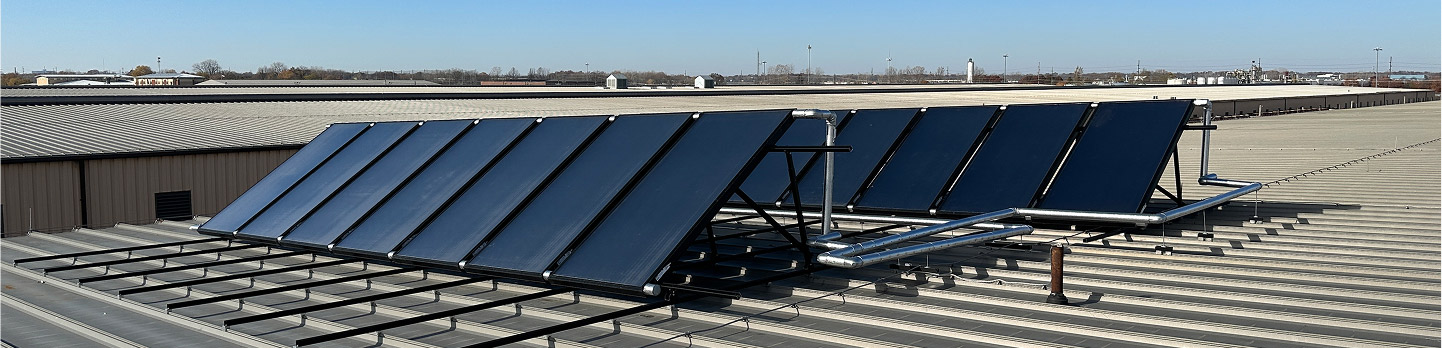
How architects and engineers are integrating solar thermal into modern building design workflows
SunEarth solar thermal systems have long been available on BIMobject, providing architects and engineers with direct access to specification-ready product models.
As building design continues to evolve toward performance-driven and integrated systems, the way products are selected has changed. Increasingly, decisions are made inside BIM environments, where access, accuracy, and ease of integration determine what gets specified.
For solar thermal, that shift creates a clear opportunity.
From Consideration to Specification
One of the biggest challenges in renewable system adoption is not performance, it’s integration into the design process.
When systems are difficult to model or require manual input, they are often:
- Deferred
- Simplified
- Or replaced with more accessible alternatives
BIMobject removes that barrier.
With SunEarth systems available within this environment, solar thermal becomes:
- Easier to evaluate
- Easier to integrate
- More likely to be specified early in design
Why BIM Integration Matters
Modern building design is no longer linear. It is collaborative, digital, and highly coordinated.
Within BIM workflows, engineers and architects rely on:
- Accurate geometry
- Real product data
- System compatibility
SunEarth BIM content supports this by allowing teams to:
- Incorporate solar thermal systems directly into project models
- Coordinate with mechanical and structural systems
- Align with performance and compliance targets
Supporting High-Demand Applications
Solar thermal is particularly valuable in applications where hot water demand is consistent and significant.
Within BIM workflows, SunEarth systems can be applied across:
- Multifamily central plants
- Hotels and hospitality
- Healthcare facilities
- Commercial and institutional buildings
These are projects where early system integration has a direct impact on:
- Equipment sizing
- Infrastructure planning
- Long-term performance
Reducing Design Friction
Ease of access influences decision-making.
When solar thermal systems are readily available in BIM:
- Design time is reduced
- Coordination is simplified
- Specification becomes more straightforward
This allows project teams to focus on performance and outcomes, rather than overcoming access barriers.
Aligning with Performance-Driven Design
As building codes and decarbonization strategies evolve, design teams are under increasing pressure to deliver measurable results.
Solar thermal supports:
- Reduction of Scope 1 emissions
- Compliance with energy codes such as Title 24
- Integration into hybrid and central plant systems
Embedding these systems within BIM workflows ensures they are part of the conversation from the beginning, not introduced later as an adjustment.
Meeting Designers Where They Work
The shift toward BIM-based design is not a trend, it is the standard.
By maintaining a presence on BIMobject, SunEarth supports:
- Architects developing early-stage concepts
- Engineers refining system design
- Specifiers selecting real, performance-driven solutions
This approach ensures solar thermal remains accessible, visible, and relevant within modern building design.
A Practical Path to Adoption
Adoption does not happen at the end of a project. It happens at the point of design.
When solar thermal systems are:
- Easy to access
- Easy to integrate
- Supported by real data
They move from being an option to being a specified solution.